Skip to content


From charcoal iron to non-iron: the history of the wrinkle-free shirt
For centuries, a crisp shirt required fire, effort, and patience. Here is how we went from glowing hot irons to non-iron shirts, via starch and cotton chemistry.

The Duke of Windsor and the style that changed the shirt
Soft collars, bold patterns, statement ties: the Duke of Windsor revolutionized twentieth-century menswear. Here is what he changed in the shirt and what, instead, is mere legend.

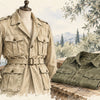
Safari jacket and military shirt: from uniforms to civilian style
Bellows pockets, shoulder straps, earth tones: the safari jacket and military shirt were born for service and have made their way into everyone's wardrobe. Here's how it happened.

The guayabera: history of the Caribbean shirt
Vertical pleats, four pockets, worn untucked: the guayabera is the iconic shirt of Cuba and the Caribbean. Here are its origins, between documents and legends.

Why shirts have a spare button (and where to find it)
That little button sewn into a hidden corner of the shirt has a specific purpose and reason for being there. Discover why it’s there, where it hides, and what it tells us about shirt buttons.

From cotton flower to fabric: how shirt fabric is made
Before becoming a shirt, cotton is a flower, then a capsule, then a cloud of fibers. Here are all the stages that transform a plant into the fabric you wear.

Egyptian cotton, Giza, Sea Island: the finest cottons for shirts
Egyptian cotton, Giza, Sea Island, Pima: names found on the labels of the finest shirts. Here is where they come from and why they have become synonymous with excellence.

White-collar and blue-collar: how the shirt gave its name to work
Why do we call office workers “white-collar” and laborers “blue-collar”? The story of shirts, laundries, and factories that changed the way we talk about work.

Vichy, Madras, Bengal: the history of the most beloved patterns
Behind the names of the most beloved shirt patterns lie voyages, trade, and a few fortunate accidents. Here is where Vichy, Madras, and Bengal stripes come from.

Anatomy of a shirt: how many pieces and seams are needed
A shirt seems like a simple garment, but behind it is a small puzzle of fabric pieces, reinforcements, buttons, and seams. Here is how it is made, piece by piece.

The detachable collar: when shirts had interchangeable collars
For about a century, the shirt collar was a separate item, changed every day and washed separately. Here is how the detachable collar was born and why it has almost disappeared.

Tucks and pleats: what the detailing on the back of the shirt reveals
The back of the shirt is the part you look at least, but it is the one that tells the most about how it was designed. Darts, center pleat, side pleats and hanger loop each have a story.